WagMore Next Door

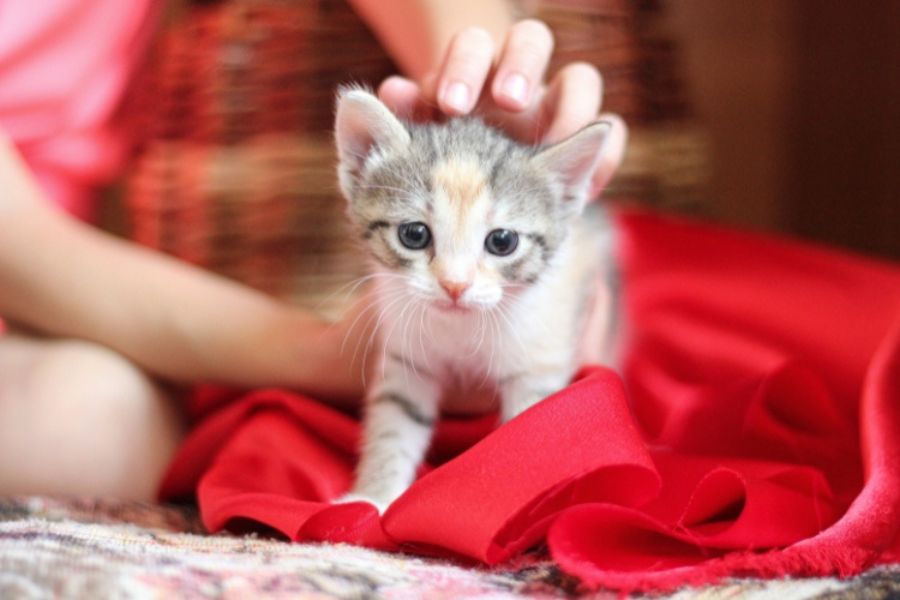
Bringing a new kitten home is exciting, but the first few days can feel overwhelming for both of you. A kitten suddenly leaves familiar surroundings, people, scents, and routines. Everything in the new environment may seem unfamiliar. The 3-3-3 rule provides a simple way to understand this adjustment period.
The idea is that a kitten may need approximately three days to decompress, three weeks to establish a routine, and three months to feel fully settled. Every kitten is different, so these timeframes are guidelines rather than strict deadlines. Some kittens become comfortable quickly, while others need additional patience and support.
Understanding this adjustment process can help you create a calmer transition. Thoughtful kitten care in Skippack can also support your new companion as they become comfortable, confident, and connected to your household.
What Is the 3-3-3 Rule for New Kittens?
The 3-3-3 rule is a general framework used to describe how pets may adjust after entering a new home. For kittens, the first three days are often about feeling safe. The next three weeks are typically focused on developing predictable routines. During the following three months, many kittens become increasingly comfortable with their surroundings and relationships.
These stages can overlap. A kitten may begin exploring during the first few days while still hiding occasionally several weeks later. The important thing is to watch your kitten’s individual behavior rather than expecting a specific timeline.
A gradual transition can help reduce stress and encourage positive behaviors.
First 3 Days: Helping Your Kitten Feel Safe
The first few days are usually the biggest adjustment period. Your kitten may be nervous, quiet, or hesitant to explore. Some kittens hide under furniture, while others stay close to their new family.
Create a Comfortable Safe Space
Start with a quiet, secure area where your kitten can rest without constant interruptions. Provide comfortable bedding, appropriate food and water areas, a litter box, and safe places to hide.
A small room can be easier to manage than giving your kitten immediate access to the entire house. Once your kitten becomes more comfortable, gradually introduce additional areas.
Let Your Kitten Approach You
Avoid forcing interaction. Sit nearby and speak calmly. Let your kitten decide when to approach.
Gentle interaction can help your kitten associate your presence with safety. Avoid chasing, grabbing, or repeatedly pulling a hiding kitten into the open.
Keep the Environment Calm
Limit loud noises and excessive handling during the first few days. If you have children or other pets, introduce them gradually and under supervision.
Your kitten needs time to learn that the new environment is safe. Patience during this stage is an important part of responsible kitten care in Skippack.
The First 3 Weeks: Establishing a Routine
After the initial adjustment, your kitten may become more curious and active. This is an excellent time to establish consistent daily routines.
Maintain Consistent Feeding Times
Predictable mealtimes can help your kitten understand what to expect each day. Follow feeding recommendations appropriate for your kitten’s age, size, and nutritional needs.
Fresh water should always be available. If your kitten’s eating or drinking habits change noticeably, discuss the change with a veterinarian.
Establish Litter Box Habits
Place the litter box somewhere accessible and relatively quiet. Keep it clean and monitor your kitten’s normal bathroom habits.
Accidents can happen while a kitten is adjusting. Punishment is not an effective solution and may increase anxiety. Instead, clean accidents thoroughly and consider whether the litter box location, cleanliness, or accessibility needs improvement.
Introduce Household Rules Gradually
Kittens are naturally curious. They may climb furniture, investigate cabinets, scratch surfaces, or play with objects that are not intended as toys.
Provide appropriate scratching posts, interactive toys, and safe climbing opportunities. Redirect unwanted behavior rather than using punishment.
Encourage Healthy Socialization
Positive experiences can help kittens become more confident. Introduce new people, sounds, surfaces, and experiences gradually.
Never overwhelm your kitten with too many unfamiliar experiences at once. Watch body language closely. Flattened ears, hiding, excessive vocalization, or attempts to escape can indicate that your kitten needs a break.
The First 3 Months: Building Confidence and Connection
By approximately three months, many kittens have developed stronger relationships with their families and greater familiarity with their environment. However, continued socialization and positive experiences remain important.
Your kitten may begin showing a clearer personality. Some kittens are naturally outgoing and playful, while others are more cautious and independent.
Develop Positive Human Interaction
Use gentle play and positive attention to strengthen your relationship. Interactive toys can provide physical activity and mental stimulation while allowing your kitten to express natural hunting behaviors safely.
Avoid encouraging your kitten to bite or scratch hands during play. Instead, use toys that create appropriate distance between your hands and your kitten’s teeth or claws.
Make Handling Comfortable
Regular, gentle handling can help your kitten become accustomed to routine care. Briefly touch the paws, ears, and other areas in a calm manner while rewarding relaxed behavior.
Keep sessions short and positive. The goal is to build trust rather than force cooperation.
Provide Environmental Enrichment
A stimulating environment can help prevent boredom. Consider providing:
- Scratching posts and pads
- Age-appropriate interactive toys
- Safe climbing areas
- Comfortable resting spaces
- Puzzle-style feeding activities
- Secure windows for supervised visual enrichment
Rotate toys periodically to keep your kitten interested without overwhelming them.
When Should You Contact an Animal Hospital in Skippack?
Adjustment behaviors can vary considerably, but some changes should not simply be attributed to moving stress.
A kitten that refuses food, has persistent diarrhea or vomiting, appears unusually weak, has difficulty breathing, or shows other significant changes should receive prompt professional attention.
Behavioral changes can sometimes indicate an underlying health concern. Monitoring your kitten closely makes it easier to recognize when something is outside their normal pattern.
When searching for an animal hospital in Skippack, choose a veterinary team that can provide age-appropriate guidance and help you understand your kitten’s changing needs.
A veterinary professional can also discuss nutrition, parasite prevention, dental development, behavior, wellness monitoring, and other aspects of ongoing kitten care.
How Veterinary Care Supports Kitten Care in Skippack
Professional veterinary care is an important part of helping a kitten develop into a healthy adult cat. Early visits provide an opportunity to establish a health baseline and discuss your kitten’s individual needs.
A veterinarian can evaluate your kitten’s physical condition and provide recommendations based on age, breed, lifestyle, environment, and medical history.
During your kitten’s early development, veterinary guidance may address:
- Nutrition and healthy growth
- Parasite screening and prevention
- Dental development and oral care
- Behavior and socialization
- Weight monitoring
- Safe exercise and enrichment
- Spaying or neutering considerations
- Identification of potential health concerns
Choosing a veterinary hospital near you can also make routine care more convenient. Having an established veterinary relationship means you know where to turn when questions arise about your kitten’s health or behavior.
If you are concerned about a change in your kitten’s behavior or physical condition, contact your veterinary team rather than assuming it is simply part of the adjustment process.
Tips for Making the 3-3-3 Transition Easier
The 3-3-3 rule works best when combined with patience and consistency. A few simple strategies can make your kitten’s transition smoother.
Keep Things Predictable
Try to maintain consistent feeding, play, rest, and litter box routines. Predictability can help your kitten understand the new household.
Give Your Kitten Choices
Allow your kitten to choose when to explore, interact, or retreat. Providing safe hiding spaces gives them a sense of control.
Monitor Behavior
Pay attention to appetite, water consumption, litter box habits, energy level, grooming, and social behavior. Changes can provide useful information about how your kitten is adapting.
Avoid Rushing the Process
Do not compare your kitten’s progress with another cat. One kitten may confidently explore the entire home within hours, while another may need considerably longer.
Progress can be gradual. Even small improvements, such as coming out of hiding, playing nearby, or relaxing around family members, can indicate growing confidence.
Creating a Lifelong Foundation for Your Kitten
The first few months can shape how your kitten responds to people, environments, handling, and daily routines. A calm home, appropriate enrichment, positive social experiences, and professional veterinary guidance can create a strong foundation for the years ahead.
Remember that the 3-3-3 rule is a guideline, not a deadline. Your kitten does not need to follow an exact schedule. Focus instead on gradual progress and your kitten’s individual comfort level.
If you have recently welcomed a kitten into your family, schedule for an appointment with a trusted veterinary team to discuss your pet’s specific needs. Building a relationship with a local veterinary provider can make it easier to address questions throughout your kitten’s development.
For families seeking dependable kitten care in Skippack, Skippack Animal Hospital can be a resource for veterinary guidance as your new kitten grows. With attentive care and a patient approach at home, you can help your kitten move from uncertainty to confidence and develop a strong bond with the people and environment around them.
FAQs About Helping a New Kitten Adjust
1. What does the 3-3-3 rule mean for kittens?
Ans: The 3-3-3 rule describes three general adjustment stages: about three days to decompress, three weeks to establish a routine, and three months to become more settled. These are guidelines, and individual kittens may adjust faster or slower.
2. Should I let my new kitten explore the entire house immediately?
Ans: Not necessarily. Starting with a quiet, secure room can help your kitten feel comfortable. Once your kitten becomes more confident, gradually introduce additional areas of the home.
3. Is it normal for a new kitten to hide?
Ans: Yes. Hiding can be a normal response to an unfamiliar environment. Give your kitten a safe hiding place and allow them to come out at their own pace. Persistent hiding combined with poor appetite, weakness, or other concerning symptoms warrants veterinary attention.
4. How can I help my kitten become more comfortable with people?
Ans: Use calm voices, gentle interaction, short play sessions, and positive experiences. Allow your kitten to approach rather than forcing physical contact. Gradual exposure can help build confidence.
5. When should I contact an animal hospital about my new kitten?
Ans: Contact a veterinary professional if your kitten develops concerning symptoms such as persistent vomiting or diarrhea, significant loss of appetite, unusual weakness, breathing difficulties, or other sudden changes in behavior or physical condition.
6. How long does it take for a kitten to fully adjust to a new home?
Ans: There is no universal timeline. Some kittens become comfortable within days, while others need several weeks or months. Consistent routines, safe spaces, positive interactions, and appropriate veterinary care can support a smoother transition.