WagMore Next Door
When a beloved pet needs surgery, it is natural to feel concerned about their comfort, safety, and recovery. Surgical procedures can be an important part of treating injuries, illnesses, and conditions that cannot be managed with medication alone. Understanding what veterinary surgery involves can help pet owners make informed decisions and feel more prepared throughout the process.
From pre-surgical evaluations to post-operative monitoring, every stage of a surgical procedure plays an important role in supporting a pet’s well-being. Choosing experienced veterinary professionals and following appropriate preparation and recovery instructions can also help promote a smoother experience. For families seeking pet surgery in Skippack, knowing what to expect can make the process less stressful and more manageable.
What Is Veterinary Surgery and When Is It Needed?
Veterinary surgery includes a range of procedures performed to diagnose, treat, or manage medical conditions affecting dogs and cats. Some surgeries are planned in advance, while others may be recommended when a pet develops a condition that requires prompt treatment.
A veterinarian may recommend surgery for several reasons, including:
- Removing abnormal growths or masses
- Treating certain injuries
- Addressing gastrointestinal obstructions
- Repairing damaged tissues
- Treating conditions affecting internal organs
- Managing painful orthopedic conditions
- Removing foreign objects that a pet has swallowed
- Performing procedures that support long-term health and comfort
The recommended approach depends on the pet’s age, overall health, symptoms, diagnosis, and individual circumstances. A thorough veterinary assessment is important before determining whether surgery is appropriate.
Pet Surgery in Skippack: Understanding the Surgical Evaluation
Before any procedure, your pet should receive a comprehensive evaluation. This step allows the veterinary team to understand your pet’s current health and identify factors that may influence the surgical plan.
The evaluation may include a physical examination and a review of your pet’s medical history. Depending on the procedure and your pet’s condition, diagnostic testing may also be recommended.
Pre-surgical assessment can help the veterinary team evaluate important factors such as:
- Heart and respiratory function
- Existing medical conditions
- Current medications or supplements
- Previous reactions to medications or anesthesia
- Overall physical condition
- The nature and severity of the condition requiring treatment
Every pet is different, so surgical recommendations should be tailored to the individual patient rather than based on a one-size-fits-all approach.
Common Types of Veterinary Surgery in Skippack
Veterinary surgery can involve many different procedures. The type of surgery your pet needs will depend on the underlying condition and the veterinarian’s assessment.
Soft Tissue Surgery
Soft tissue procedures can address conditions involving the skin, abdominal organs, reproductive system, and other soft tissues. Examples may include removal of masses, treatment of certain wounds, and procedures involving internal organs.
Foreign Object Removal
Dogs and cats can sometimes swallow toys, pieces of clothing, household objects, or other materials. Some objects may pass naturally, but others can become lodged in the digestive tract. When an obstruction is identified, surgical intervention may be necessary to remove the foreign material and protect the digestive system.
Mass or Tumor Removal
A lump or mass may require removal depending on its size, location, appearance, growth pattern, or diagnostic findings. Surgical removal can allow the veterinarian to address the affected tissue and, when appropriate, submit tissue for further evaluation.
Orthopedic Procedures
Some injuries and musculoskeletal conditions may require surgical treatment. Orthopedic procedures are designed to address problems affecting bones, joints, ligaments, or related structures. The specific treatment depends on the injury and the pet’s overall condition.
Preparing Your Pet for Surgery
Proper preparation can help your pet have a safer and more comfortable surgical experience. Your veterinary team will provide specific instructions based on the planned procedure.
Pet owners may be asked to follow instructions regarding food, water, medications, and activity before surgery. It is important to follow these directions carefully and contact the veterinary team if anything is unclear.
Before the procedure, make sure the veterinary team knows about any medications, supplements, behavioral changes, or other health concerns you have noticed. Even details that seem minor can be useful when planning your pet’s care.
You should also arrange a comfortable, quiet area at home where your pet can rest after returning from the hospital. Preparing this space in advance can make the transition home easier.
Anesthesia and Monitoring During Veterinary Surgery
Anesthesia is commonly used during many veterinary surgical procedures to prevent pain and help keep the patient still and comfortable. The veterinary team determines the appropriate anesthetic approach based on the procedure and the individual pet.
During surgery, careful monitoring is an important part of patient care. Veterinary professionals may monitor factors such as heart rate, breathing, oxygen levels, blood pressure, and body temperature, depending on the procedure and available monitoring protocols.
Anesthesia is not identical for every patient. Factors such as age, size, health status, medical history, and the type of surgery can influence the anesthetic plan.
Pet owners should feel comfortable asking questions about anesthesia, monitoring, pain management, and what to expect before and after the procedure.
What to Expect After Veterinary Surgery
Recovery begins as soon as the procedure is completed. Your pet may initially be sleepy or less active as the effects of anesthesia wear off. The veterinary team will provide instructions for continued care at home.
Post-operative instructions may include guidance regarding:
- Activity restrictions
- Feeding and drinking
- Medication administration
- Incision care
- Follow-up examinations
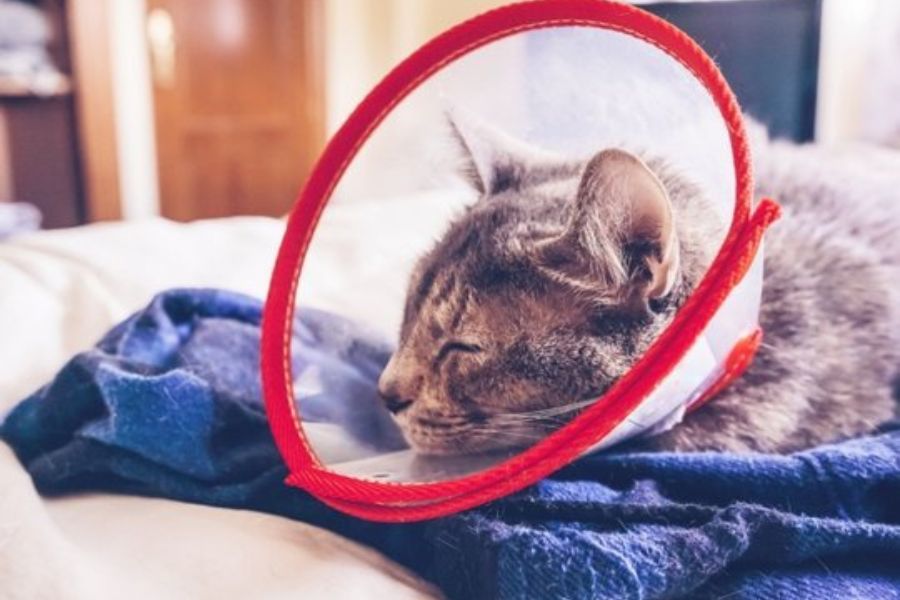
- Preventing excessive licking or scratching
- Signs that may require veterinary attention
It is important to keep your pet’s recovery area comfortable and limit activities according to the veterinary team’s recommendations. Running, jumping, climbing, or excessive activity may interfere with healing after certain procedures.
Do not give your pet medications intended for people unless your veterinarian specifically instructs you to do so. Some human medications can be dangerous for dogs and cats.
Supporting a Safe Recovery at Home
Your involvement during recovery can make an important difference. Monitor your pet closely and follow the instructions provided by the veterinary team.
Pay attention to changes in appetite, energy level, behavior, and the surgical site. Depending on the procedure, mild changes may be expected during early recovery. However, significant or worsening changes should be discussed with your veterinarian.
Contact your veterinary team if you notice concerning signs such as persistent vomiting, severe weakness, difficulty breathing, uncontrolled bleeding, significant swelling, worsening pain, or problems involving the surgical incision.
Keeping follow-up appointments is also important. These visits allow the veterinary team to assess healing and determine whether your pet can safely return to normal activities.
Choosing the Right Veterinary Surgery in Skippack
Selecting a veterinary practice for your pet’s surgical needs is an important decision. Pet owners should look for a veterinary team that emphasizes individualized care, clear communication, appropriate monitoring, and comprehensive follow-up.
When researching veterinary surgery in Skippack, consider asking questions such as:
- What type of surgery does my pet need?
- Why is surgery recommended?
- What should I expect before the procedure?
- How will my pet be monitored during surgery?
- What pain management options will be used?
- How long might recovery take?
- What restrictions will my pet have after surgery?
- When should my pet return for a follow-up examination?
A veterinarian near you can also provide guidance about whether a particular condition may benefit from surgical treatment and what steps should come next.
When Should You Discuss Surgery With a Veterinarian?
Not every health problem requires surgery, and the decision should always be based on a professional veterinary evaluation. If your pet develops a persistent lump, unexplained pain, repeated vomiting, difficulty eating, changes in mobility, or another concerning symptom, discussing the issue with a veterinarian can help identify the underlying cause.
Early evaluation can provide valuable information about available treatment options. In some situations, addressing a condition before it becomes more complicated may support better outcomes and a more manageable recovery.
If your pet has already been diagnosed with a condition that may require surgery, ask your veterinary team to explain the benefits, potential risks, alternatives, expected recovery period, and home-care requirements. Understanding these details can help you make a confident decision for your pet.
Supporting Your Pet Through Surgical Care
Veterinary surgery can be an important treatment option when a pet faces an injury, illness, obstruction, growth, or another condition requiring surgical intervention. Understanding the evaluation process, surgical preparation, anesthesia, monitoring, and recovery requirements can help pet owners feel more confident about their pet’s care.
For families looking for pet surgery in Skippack or dependable veterinary surgery in Skippack, choosing a veterinary team that prioritizes individualized treatment and clear communication is essential. If you have concerns about your pet’s health or have been advised that surgery may be appropriate, schedule for an appointment to discuss your pet’s condition and available treatment options. Skippack Animal Hospital is committed to providing thoughtful veterinary care and helping local pet owners make informed decisions about their pets’ surgical needs.
Frequently Asked Questions
1. How do I know if my pet needs surgery?
Ans: A veterinarian determines whether surgery is appropriate after evaluating your pet’s symptoms, medical history, physical condition, and diagnostic findings. Surgery may be recommended when a condition cannot be effectively managed through other treatment options.
2. Is veterinary surgery safe for dogs and cats?
Ans: Veterinary surgery involves risks, as does any medical procedure. However, appropriate pre-surgical evaluation, anesthesia planning, patient monitoring, and post-operative care can help manage those risks. Your veterinarian can explain the considerations specific to your pet.
3. How should I prepare my pet for surgery?
Ans: Preparation varies depending on the procedure. Your veterinary team may provide instructions involving food, water, medications, and activity. Follow these instructions carefully and ask questions if you are uncertain about any part of the preparation.
4. How long does it take for a pet to recover from surgery?
Ans: Recovery time varies considerably based on the type of procedure, the pet’s health, age, and individual healing process. Your veterinarian can provide a more specific recovery timeline and explain when normal activities can resume.
5. What should I watch for after my pet comes home?
Ans: Monitor your pet’s behavior, appetite, activity, and surgical site. Follow all medication and activity instructions. Contact your veterinary team if you notice significant weakness, breathing problems, uncontrolled bleeding, severe pain, worsening swelling, or other concerning changes.
6. How can I make my pet more comfortable during recovery?
Ans: Provide a quiet, clean, comfortable resting area and follow the veterinary team’s instructions regarding medications, feeding, and activity. Prevent your pet from interfering with the surgical site and attend recommended follow-up visits.