WagMore Next Door
When your pet develops a condition that cannot be managed with medication or routine care, surgery may become an important treatment option. Veterinary surgery in Skippack can address a wide range of health concerns, from soft-tissue problems and masses to orthopedic conditions and gastrointestinal issues. Understanding when surgery may be recommended can help you make informed decisions about your pet’s health and recovery.
Veterinary surgery is not always the first treatment considered. Your veterinarian will evaluate your pet’s symptoms, medical history, physical condition, and diagnostic results before determining whether a surgical procedure is appropriate.
When Does a Pet Need Veterinary Surgery?
Surgery may be recommended when a medical condition requires a physical correction, removal, repair, or other intervention that cannot be effectively managed through conservative treatment.
Common reasons a veterinarian may recommend surgery include:
- Removal of a suspicious or problematic mass
- Repair of certain hernias
- Treatment of fractures or joint injuries
- Removal of bladder stones
- Repair of wounds or damaged tissue
- Removal of foreign objects from the digestive tract
- Treatment of certain gastrointestinal conditions
- Orthopedic problems affecting bones, joints, or ligaments
- Certain reproductive procedures
A veterinarian will typically discuss available treatment options and explain why surgery may benefit your pet. Diagnostic testing can also help determine the location and severity of a problem before a procedure is planned.
Types of Pet Surgery in Skippack
Pet surgery in Skippack may involve several different areas of veterinary medicine. The type of procedure recommended depends on your pet’s condition, age, overall health, and individual needs.
Soft-Tissue Surgery
Soft-tissue procedures involve structures other than bones and joints. Examples include mass removal, hernia repair, bladder stone removal, and repair of certain injuries. Some procedures may also involve reproductive care.
Orthopedic Surgery
Orthopedic procedures focus on the bones, joints, ligaments, and related structures. Conditions such as fractures, cruciate ligament injuries, dislocations, and patellar luxation may require surgical treatment when other approaches are not appropriate.
Mass Removal and Surgical Oncology
Masses can be benign or cancerous. Your veterinarian may recommend removing a growth to obtain a diagnosis, improve comfort, prevent local problems, or address concerns about future progression. Depending on the findings, additional treatment may be discussed.
Gastrointestinal and Foreign Body Procedures
Pets sometimes swallow objects that cannot safely pass through the digestive tract. In certain cases, surgical removal is necessary. Gastrointestinal procedures may also be recommended for specific conditions affecting the stomach or intestines.
How Veterinarians Prepare Pets for Surgery
Proper preparation is an important part of veterinary surgical care. Before a procedure, your veterinarian may perform a physical examination and recommend blood testing to evaluate your pet’s health and ability to undergo anesthesia.
At Skippack Animal Hospital, a physical examination and pre-anesthetic blood work are performed before surgery. The hospital also reports continuous anesthetic monitoring and pain management during procedures, followed by monitoring of the pet’s comfort during recovery.
Depending on the procedure, additional diagnostic testing may be useful. Digital radiography, ultrasound, laboratory testing, or other diagnostic tools can help veterinarians better understand internal conditions and plan appropriate treatment.
What Should You Expect After Pet Surgery?
Recovery depends on the type of procedure and your pet’s individual health. Your veterinarian will provide specific instructions for rest, medications, feeding, activity restrictions, incision care, and follow-up visits.
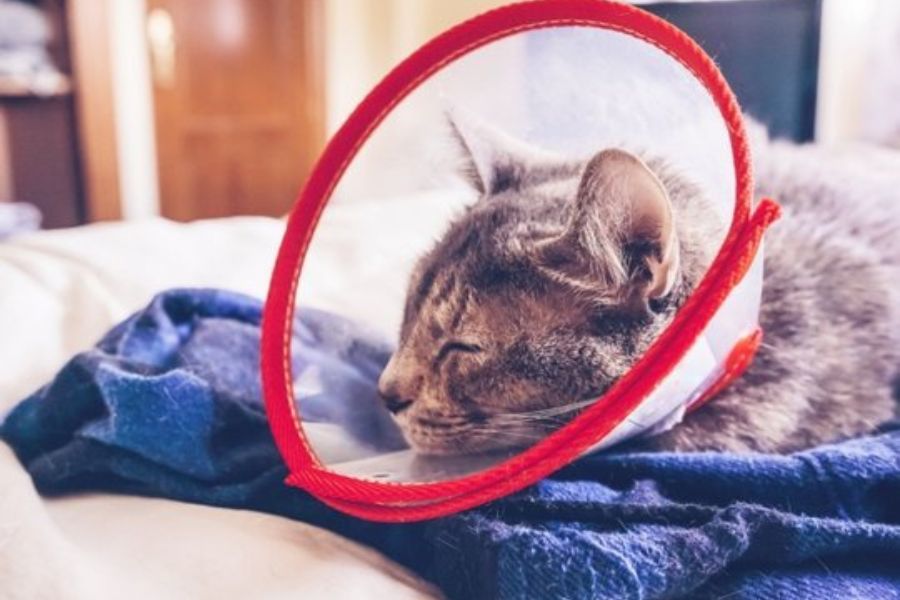
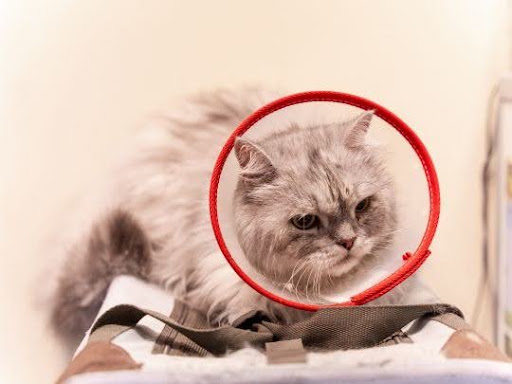
Pet owners should carefully monitor their companion during recovery. Preventing excessive activity can help protect healing tissues and surgical sites. It is also important to give medications exactly as directed and avoid allowing your pet to lick or disturb the incision.
Contact your veterinary team if you notice unexpected changes during recovery. Your veterinarian can determine whether your pet needs additional evaluation or adjustments to their treatment plan.
Choosing a Veterinary Hospital Near You for Surgical Care
Choosing a veterinary hospital near you can make the surgical process more convenient for both you and your pet. Look for a veterinary team that can clearly explain the recommended procedure, preparation requirements, anesthesia protocols, pain management, recovery expectations, and follow-up care.
It is also helpful to choose a hospital with diagnostic capabilities and experience with different types of surgical procedures. Skippack Animal Hospital provides general and advanced surgical services for dogs, cats, and exotic mammals as part of its full-service veterinary practice.
Asking questions before surgery can help you feel more prepared. Consider asking what the procedure involves, how your pet should prepare, what recovery may look like, and what signs should prompt you to contact the veterinary team.
Professional Veterinary Surgical Care for Your Pet
Surgery can be an important part of treating conditions that affect your pet’s comfort, mobility, and quality of life. Early evaluation and appropriate diagnostic testing can help your veterinarian determine whether a surgical approach is suitable for your companion.
If your pet may benefit from professional surgical treatment, schedule an appointment with our animal hospital to discuss their condition and available treatment options. Skippack Animal Hospital provides general and advanced veterinary surgical services with attention to patient safety, anesthesia monitoring, pain management, and recovery care.
FAQs
1. How do I know if my pet needs surgery?
Ans: Your veterinarian will determine whether surgery is appropriate based on your pet’s examination, symptoms, medical history, and diagnostic results. Surgery may be recommended when a condition cannot be adequately treated through other approaches.
2. What types of conditions can veterinary surgery treat?
Ans: Veterinary surgery may address masses, hernias, bladder stones, certain gastrointestinal problems, foreign bodies, fractures, ligament injuries, dislocations, and other conditions requiring surgical correction or removal.
3. Is blood work performed before pet surgery?
Ans: Pre-anesthetic blood work may be recommended to evaluate your pet’s overall health and help determine whether they are an appropriate candidate for anesthesia. Skippack Animal Hospital performs a physical examination and pre-anesthetic blood work before surgery.
4. How long does it take for a pet to recover from surgery?
Ans: Recovery time varies according to the procedure, your pet’s age and health, and the type of tissue involved. Your veterinarian will provide individualized instructions and let you know when normal activities can gradually resume.
5. How can I help my pet recover after surgery?
Ans: Follow your veterinarian’s instructions carefully. Provide a quiet recovery area, administer medications as directed, restrict activity when recommended, and monitor the surgical site for changes.
6. How can I prepare for my pet’s surgical consultation?
Ans: Bring your pet’s medical history and a list of medications or supplements they currently receive. Write down your questions about the procedure, anesthesia, pain management, recovery, and follow-up care so you can discuss them with your veterinarian.