WagMore Next Door
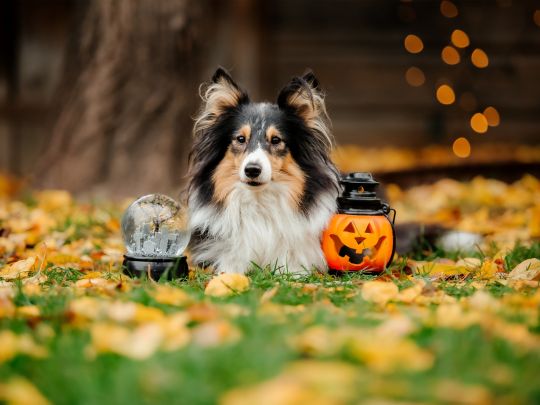
Halloween may be over, but the cleanup deserves just as much attention as the celebration. Candy wrappers can slip beneath furniture. Decorations may fall where pets can reach them. Small costume pieces, batteries, glow products, and leftover food can also remain unnoticed.
Dogs and cats explore their surroundings differently than people do. Something that looks like harmless clutter to you may smell interesting or seem fun to chew.
That is why the day after Halloween is a good time for a careful home check. A few minutes spent looking at your rooms from your pet’s perspective can help you find potential problems before curiosity gets the better of them.
1. Search for Forgotten Candy and Chocolate
Start with the places where candy may have been carried, sorted, or eaten. Check the living room, bedrooms, entryway, couch cushions, bags, and underneath furniture.
Chocolate is especially concerning for dogs because it contains methylxanthines, including theobromine and caffeine. The level of risk depends on the type and amount of chocolate eaten, along with your pet’s size.
Sugar-free candy deserves attention, too. Some products contain xylitol, which can cause serious poisoning in dogs.
Do not assume candy is safely stored just because it is inside a bag. Curious pets may tear into backpacks, purses, buckets, and containers.
If you think your pet ate something potentially toxic, contact a veterinarian promptly rather than waiting for symptoms.
2. Pick Up Candy Wrappers, Foil, and Lollipop Sticks
Sometimes the candy itself is not the only concern. Plastic wrappers, foil, cellophane, lollipop sticks, and other packaging can attract pets because they still smell like food. If swallowed, these materials may irritate the digestive tract or potentially contribute to an obstruction.
Walk through the areas where your family or guests ate candy. Look under couches, tables, beds, rugs, and other places that are easy to miss during routine cleanup.
Pay particular attention if your dog regularly picks things up from the floor. Possible signs of a swallowed foreign object can include vomiting, reduced appetite, abdominal discomfort, lethargy, or difficulty passing stool. These symptoms deserve veterinary attention.
3. Inspect Decorations for Loose or Missing Pieces
Halloween decorations often contain small parts that become easier for pets to reach after several days of use. Check decorative spiders, fake skeletons, garlands, plastic pumpkins, hanging ornaments, and tabletop displays. Look for pieces that have broken off or fallen onto the floor.
Cats may be drawn to strings, ribbons, and dangling decorations. Dogs may chew plastic or foam objects that resemble toys. String-like materials are particularly concerning when swallowed. They can cause serious digestive problems and should not be pulled from a pet’s mouth if you can see part of the material protruding. If you suspect your pet swallowed a decoration, contacting a veterinarian in Skippack can help you determine what to do next.
4. Check Costumes Before Putting Them Away
If your pet wore a costume, inspect it before storing it for another year. Are any buttons missing? Did a buckle break? Is part of a zipper, bell, ribbon, elastic band, or decorative accessory gone?
A missing costume piece may simply be somewhere in the house, but it is worth finding. Small pieces can become choking or ingestion hazards. Human costumes should receive the same inspection. Sequins, fake jewelry, plastic accessories, feathers, and costume makeup containers can end up on the floor after a busy evening. Put reusable costumes in a closed storage container rather than leaving them where pets can investigate them.
5. Look for Batteries and Electronic Decorations
Light-up pumpkins, candles, toys, costume accessories, and animated decorations often rely on batteries. Before storing these items, check that their battery compartments are secure. If a decoration is damaged, make sure the battery has not fallen out.
Chewed or swallowed batteries can cause significant tissue injury. Button batteries are especially easy to overlook because of their small size. Electrical cords also deserve another look. Check cords and plugs for tooth marks, exposed wires, or other damage before using or storing the decoration.
If you notice that your pet may have chewed a battery or electrical component, seek veterinary guidance promptly.
6. Remove Leftover Party Food and Trash
The kitchen and trash cans may contain more post-Halloween hazards than the candy bowl. Leftover foods can include bones, fatty meat scraps, desserts, onions, garlic, grapes, raisins, alcohol, and other items that are inappropriate or potentially dangerous for pets.
Secure trash bags before taking them outside. Use a covered trash can that your pet cannot easily open. Also check countertops and low tables for abandoned plates, cups, and serving dishes.
If your pet gets into the leftovers and you are unsure whether an ingredient is dangerous, call a veterinary professional. A vet near you can help determine whether monitoring at home or prompt medical care is appropriate.
7. Check Glow Sticks and Glow Jewelry
Glow sticks and glowing necklaces often end up beneath furniture, behind cushions, or in children’s rooms after Halloween. Pets, particularly cats, may bite or puncture them while playing.
The liquid inside many glow products can have an extremely unpleasant taste and may cause drooling, pawing at the mouth, or agitation. A chewed plastic tube can create additional concerns.
Collect used glow products and dispose of them where pets cannot access the trash. If your pet bites into one, contact your veterinarian for advice, especially if you are uncertain what the product contains.
8. Look for Candles, Wax, and Open Flames
If you used real candles, make sure every candle has been extinguished and moved out of reach. Do not overlook partially burned candles left inside pumpkins or decorative holders. Pets can knock them over, burn themselves, or get hot wax on their skin or fur.
Even after the flame is gone, wax, wicks, containers, and scented products should not become pet toys. Battery-operated candles also need to be inspected because they may contain small batteries that become accessible when the casing breaks.
9. Inspect Outdoor Areas, Too
Your safety check should not stop at the front door. Walk around the porch, driveway, yard, and any area where trick-or-treaters or guests gathered. Look for dropped candy, wrappers, food, costume pieces, glow sticks, broken decorations, and other debris.
Check pumpkins as well. Old carved pumpkins can quickly deteriorate outdoors. Moldy or spoiled food should be removed before a curious pet tries to eat it. If you walk your dog around the neighborhood after Halloween, keep an eye on the ground. Candy and discarded food may remain along sidewalks and lawns for several days.
10. Pay Attention to Your Pet After the Celebration
A clean house does not always mean the risk has passed. If your pet had access to candy, decorations, garbage, or party food, watch for changes in behavior or physical health.
Contact a veterinarian if you notice concerning signs such as:
- Repeated vomiting or diarrhea
- Unusual drooling
- Loss of appetite
- Marked restlessness or agitation
- Tremors
- Weakness or unusual tiredness
- Abdominal discomfort
- Difficulty breathing
- Trouble passing stool
- Collapse or seizures
Symptoms can vary depending on what a pet consumed and how much. Waiting for severe symptoms before asking for help can delay necessary treatment.
When something seems wrong, and you are searching for a vet near you, be prepared to explain what your pet may have eaten, approximately how much was consumed, and when the exposure may have occurred. Bring the packaging with you when possible.
A Five-Minute Post-Halloween Pet Safety Sweep
Once the major cleanup is finished, do one last sweep at your pet’s eye level. Check beneath furniture. Look behind doors. Examine children’s rooms. Empty open candy containers. Secure trash cans. Inspect decorations before storing them.
For homes with particularly curious dogs or cats, consider keeping Halloween supplies in closed containers on high shelves or inside closets. The goal is not to make your home completely free of everyday objects. It is to remove the unusual items introduced during the holiday before your pet discovers them first.
Finish the Holiday With a Healthier, Safer Home
Halloween cleanup is more than putting decorations back into storage. It is also an opportunity to make sure nothing dangerous has been left where your pet can find it.
For families who need a veterinarian in Skippack, Skippack Animal Hospital provides comprehensive veterinary care for dogs, cats, and exotic mammals. Dr. Lindsey Martell and Dr. Kathleen Kelly are part of the hospital’s veterinary team, with the practice offering preventive care, diagnostics, dentistry, surgery, emergency care, and other services for pets at different life stages.
If your pet seems unwell after getting into candy, decorations, leftovers, or another questionable item, do not simply wait for the problem to become more obvious. Contact our practice for guidance and arrange an examination when needed. Prompt attention can help identify a problem sooner and give your pet the care they need to get back to their normal routine.
Frequently Asked Questions
1. What should I do if my dog finds leftover Halloween chocolate?
Ans: Take the chocolate away and determine what type your dog may have eaten, how much is missing, and approximately when it happened. Keep the wrapper or package. Contact your veterinarian promptly because the potential risk varies according to the chocolate type, amount consumed, and your dog’s body weight.
2. Should I make my pet vomit after eating something dangerous?
Ans: Do not induce vomiting unless a veterinarian specifically tells you to do so. Vomiting is not appropriate for every substance or situation and can sometimes create additional complications. Call a veterinary professional and explain what your pet swallowed before attempting treatment at home.
3. Where can Skippack pet owners go if their pet becomes sick after Halloween?
Ans: Skippack Animal Hospital provides veterinary care for local pets and advises owners to call promptly during a pet emergency so the team can determine whether the hospital can see the pet and prepare appropriately. If your pet may have eaten candy, decorations, batteries, or another harmful object, provide as much information about the exposure as possible when calling.
4. Can Skippack Animal Hospital check a pet that may have swallowed a foreign object?
Ans: Yes. Skippack Animal Hospital offers diagnostic care as part of its veterinary services. Depending on your pet’s symptoms and what may have been swallowed, a veterinary examination and appropriate diagnostic testing can help determine the next steps.
5. When should I contact Skippack Animal Hospital instead of monitoring my pet at home?
Ans: Contact Skippack Animal Hospital if your pet develops concerning symptoms or you know or suspect that they consumed a potentially dangerous substance or foreign object. It is also appropriate to call when you are uncertain about the risk. The veterinary team can advise you based on the circumstances.
6. How can I make next Halloween safer for my pet?
Ans: Plan where candy, costumes, decorations, electrical cords, and trash will be kept before the celebration begins. Give pets a secure area away from busy entrances and unfamiliar objects. After the event, perform another floor-to-counter safety check before returning to your normal routine.