WagMore Next Door
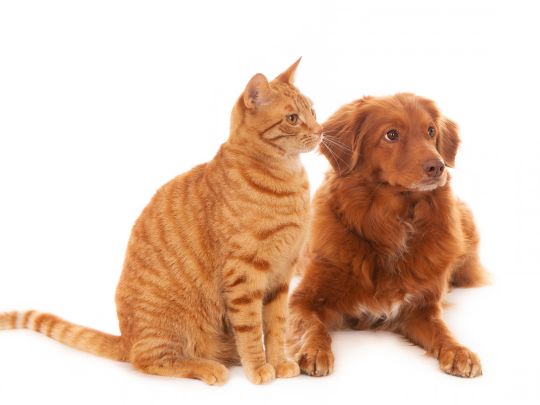
An upset stomach can quickly change how your dog or cat eats, plays, sleeps, and interacts with your family. Occasional stomach trouble can happen, but persistent symptoms may indicate an underlying health concern. Recognizing indigestion early can help owners seek timely veterinary care.
At Skippack Animal Hospital, we understand how concerning these changes can feel for families in Skippack. Our veterinary team evaluates symptoms and uses appropriate testing to identify possible causes of digestive issues in pets.
Knowing which warning signs deserve attention can help you make informed decisions about your pet’s health.
What Are the Most Common Signs of Digestive Problems in Pets?
Digestive problems can affect the stomach, intestines, pancreas, liver, and other parts of your pet’s body. Symptoms also vary depending on the underlying cause.
Watch for these common warning signs:
- Vomiting or regurgitation
- Diarrhea or unusually loose stools
- Constipation or difficulty passing stool
- Reduced or lost appetite
- Unexplained weight loss
- Excessive gas
- Abdominal bloating
- Abdominal discomfort
- Blood in vomit or stool
- Changes in stool color
- Excessive drooling
- Reduced energy
- Straining during bowel movements
- Signs of dehydration
One isolated symptom may not always indicate a serious condition. However, repeated or worsening symptoms deserve veterinary attention.
Why Is My Dog or Cat Vomiting?
Vomiting is among the most noticeable signs of gastrointestinal trouble. Pets may vomit after eating something unusual or experiencing a sudden dietary change. Other possible causes include intestinal parasites, inflammation, infections, foreign objects, toxins, or certain underlying illnesses.
Repeated vomiting can also cause dehydration and electrolyte imbalances. Puppies, kittens, senior pets, and animals with existing conditions may become dehydrated more quickly. Contact a trusted veterinarian when vomiting continues, becomes frequent, or appears alongside other concerning symptoms.
What Does Diarrhea Tell You About Your Pet’s Health?
Diarrhea can develop when food and fluids move abnormally through the digestive tract. It can range from soft stool to frequent watery bowel movements.
Dietary changes, stress, parasites, infections, and intestinal inflammation are possible causes. Some medical conditions outside the digestive tract can also produce gastrointestinal symptoms.
Pay attention to stool frequency, consistency, color, and unusual material. These observations provide useful information during a veterinary examination. Persistent diarrhea can cause substantial fluid loss. Therefore, prolonged diarrhea should never be ignored.
Can Appetite and Weight Changes Signal Digestive Trouble?
Yes. Changes in eating habits can provide important clues about your pet’s health. Nausea or abdominal discomfort may cause a pet to avoid meals. Some pets approach their food but leave without eating.
Long-term digestive conditions can also interfere with normal digestion or nutrient absorption. Consequently, pets may lose weight despite continuing to eat.
Unexpected weight loss should always receive attention. Your veterinarian can investigate whether gastrointestinal disease or another health condition is contributing. These less obvious changes can accompany digestive issues in pets, especially when symptoms develop gradually.
When Are Constipation and Straining Concerning?
Constipation occurs when bowel movements become difficult, infrequent, or unusually hard. You may notice repeated attempts to defecate with little stool produced. Dehydration, diet, reduced activity, swallowed material, and several medical conditions may contribute to constipation.
Cats can also strain inside the litter box because of urinary problems. Urinary obstruction can become a medical emergency, particularly in male cats. Contact your veterinarian if straining continues or you cannot determine whether your cat is urinating normally.
What Does Abdominal Pain Look Like in Dogs and Cats?
Pets cannot tell us when their stomach hurts. Instead, discomfort may appear through subtle behavioral or postural changes. A dog may pace, whine, become restless, or repeatedly change positions. Some dogs stretch their front legs forward while keeping their hindquarters raised.
Cats may hide, become unusually quiet, resist handling, or sit in a tense, hunched position. A swollen or suddenly enlarged abdomen requires particular attention. Severe bloating can sometimes accompany an obstruction or another urgent medical problem.
What Can Cause Digestive Problems in Dogs and Cats?
There is no single cause of gastrointestinal trouble. Symptoms can develop from minor dietary problems or more significant medical conditions.
Common possibilities include:
- Sudden food changes
- Eating spoiled or inappropriate foods
- Food intolerance
- Intestinal parasites
- Bacterial or viral infections
- Inflammatory gastrointestinal conditions
- Pancreatic problems
- Swallowed foreign objects
- Exposure to toxins
- Liver or kidney disease
- Certain medications
As several conditions produce similar symptoms, guessing the cause at home can delay appropriate treatment.
Veterinary evaluation is especially important when symptoms persist, worsen, or occur together.
How Do Veterinarians Diagnose Digestive Problems?
Your veterinarian will usually begin by discussing your pet’s symptoms, diet, behavior, and recent changes. A physical examination can then identify tenderness, dehydration, bloating, weight changes, or other abnormalities.
Additional testing may be recommended depending on those findings. Our animal hospital provides an on-site laboratory for bloodwork, fecal testing, urinalysis, and other diagnostic procedures. The hospital also provides digital radiography and ultrasound imaging.
Blood testing can provide information about organ function and other internal changes. Fecal testing can help investigate certain gastrointestinal parasites. Digital X-rays can provide detailed images of internal structures. Ultrasound can provide real-time images of organs and other internal tissues.
Access to pet diagnostics care can help veterinarians investigate gastrointestinal symptoms and determine appropriate next steps.
When Does a Digestive Problem Require Prompt Veterinary Attention?
Some stomach problems are mild and short-lived. Others require quicker medical attention.
Contact your veterinarian promptly if your pet experiences:
- Repeated or severe vomiting
- Persistent or frequent diarrhea
- Blood in vomit or stool
- Black or tar-like stool
- Significant abdominal swelling
- Severe abdominal discomfort
- Extreme weakness or collapse
- Suspected toxin exposure
- Suspected foreign-object ingestion
- Inability to keep water down
- Significant appetite loss
Young, senior, and medically vulnerable pets may require earlier evaluation.
If your instincts tell you something has significantly changed, contacting your veterinary team is a sensible next step.
What Should Pet Owners Do at Home?
Monitor your pet closely and record when symptoms began. Note vomiting frequency, stool appearance, appetite, water intake, and energy levels. Tell your veterinarian about recent diet changes, new treats, medications, or possible access to household objects.
Avoid giving human medications unless your veterinarian specifically instructs you to do so. Some medications used by people can be dangerous for pets. You should also avoid making major dietary changes without veterinary guidance when symptoms are persistent.
Early veterinary assessment can help determine whether simple monitoring or further testing is appropriate.
Get Answers About Your Pet’s Digestive Health
Seeing your dog or cat uncomfortable can be stressful, especially when you do not know what is causing it. Skippack Animal Hospital provides veterinary care for dogs and cats in Skippack, PA. Our team can evaluate your pet’s digestive issues and determine whether additional testing is appropriate.
Our pet diagnostics care includes an on-site laboratory and advanced imaging options that support informed veterinary evaluation.
If your pet has persistent vomiting, diarrhea, appetite changes, or other digestive symptoms, schedule a veterinary visit. Timely evaluation can provide answers and help your pet receive appropriate care.
Frequently Asked Questions
1. How long should I wait before calling a veterinarian about vomiting?
Ans: Contact your veterinarian if vomiting becomes repeated, severe, or continues longer than expected. Seek help sooner when other concerning symptoms appear.
2. Why does my pet have diarrhea but still act normally?
Ans: Mild diarrhea can occur before noticeable behavioral changes develop. Diet changes, stress, parasites, or gastrointestinal irritation may contribute. Monitor your pet closely. Contact your veterinarian if diarrhea persists, worsens, or contains blood.
3. Can stress cause digestive problems in dogs and cats?
Ans: Yes. Stress can affect gastrointestinal function and may contribute to appetite changes or loose stools in some pets. However, persistent symptoms should not automatically be blamed on stress. A veterinary evaluation can help identify other possible causes.
4. What tests might my veterinarian recommend for digestive problems?
Ans: Testing depends on your pet’s symptoms and examination findings. Bloodwork, fecal testing, urinalysis, X-rays, or ultrasound may sometimes be recommended.
5. Can intestinal parasites cause vomiting and diarrhea?
Ans: Yes. Gastrointestinal parasites can cause diarrhea, vomiting, weight loss, and other symptoms in dogs and cats. Fecal testing can help veterinarians investigate certain parasites and determine appropriate treatment.
6. Why is my pet losing weight despite eating normally?
Ans: Poor digestion or reduced nutrient absorption can sometimes cause weight loss despite a normal appetite. Other medical conditions can cause similar changes. Unexplained weight loss warrants a veterinary examination to determine the underlying cause.
7. When is bloating an emergency in dogs or cats?
Ans: Sudden or severe abdominal enlargement can indicate a serious condition. Seek veterinary attention promptly when bloating accompanies pain, weakness, vomiting, or distress. A veterinary examination and appropriate diagnostic testing can help determine the cause.