WagMore Next Door

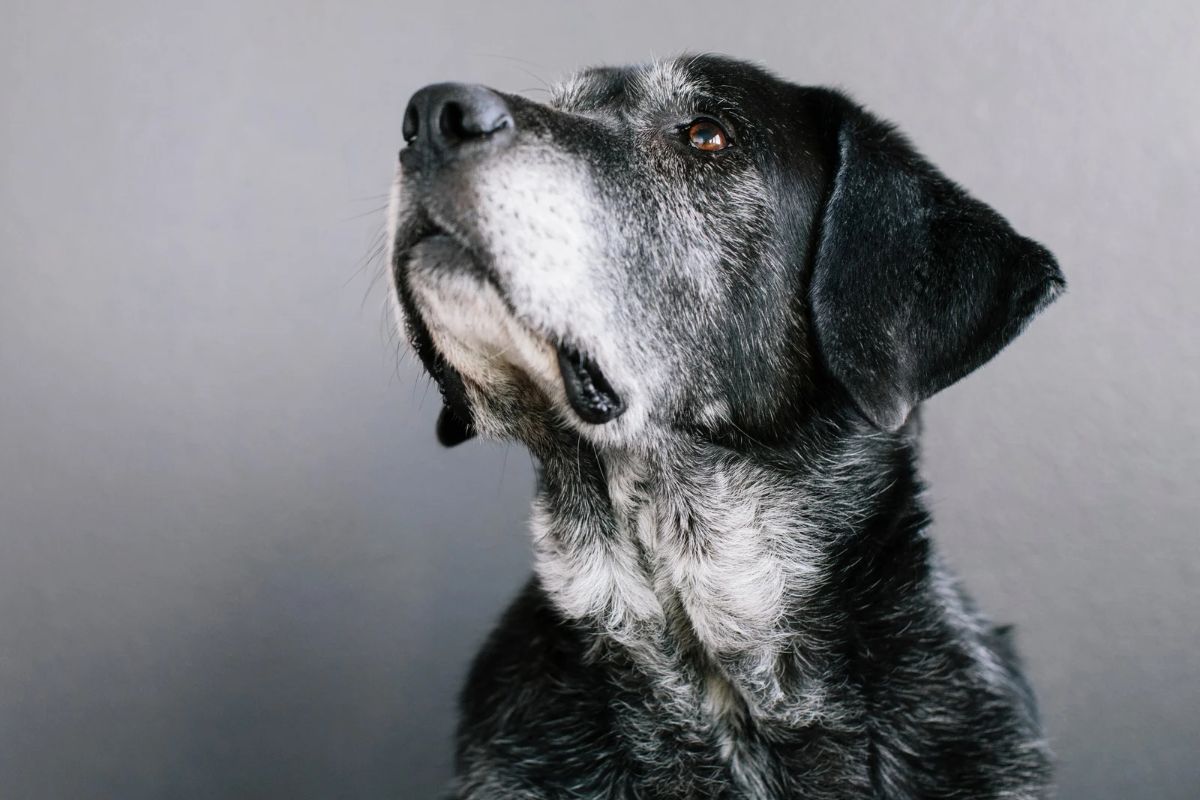
Your pet cannot explain when something hurts, but their body language can reveal important clues. A dog that suddenly avoids being touched, a cat that crouches during handling, or a pet that hesitates to walk may be showing signs of discomfort. These subtle behaviors can provide valuable information about physical health and emotional well-being.
Veterinary examinations involve more than checking the heart, teeth, and ears. Observing how animals move, react, and interact helps identify concerns that might otherwise go unnoticed.
For pet owners in Skippack, understanding these signals can make it easier to recognize when something needs attention. This guide explains what a veterinarian can learn from your pet’s body language and how these observations support early detection and long-term health.
Why Does Body Language Matter During a Veterinary Examination?
Animals communicate through posture, facial expressions, movement, and reactions to their surroundings. These behaviors provide information about their physical comfort and emotional state.
During an examination, our vets observe these signals alongside physical findings and medical history. For example, a dog may hesitate when turning its head, while a cat might become unusually tense when a particular area is touched. These reactions may suggest discomfort that requires further evaluation.
However, body language alone cannot confirm a medical condition. It helps guide the examination and identify areas needing closer attention.
What Can Your Pet’s Body Language Reveal About Their Health?
Different behaviors can provide clues about pain, mobility problems, stress, and other health concerns.
Posture May Reveal Pain or Discomfort
Changes in posture can indicate that certain movements or positions have become uncomfortable.
During an examination, our vets may look for:
- An arched or unusually stiff back.
- Uneven weight distribution between the legs.
- Reluctance to sit, stand, or change positions.
- A lowered head or tucked abdomen.
- Muscle tension when certain areas are touched.
For example, a dog shifting weight away from one leg may have joint discomfort. A cat remaining hunched could be experiencing pain, stress, or another health concern.
These observations help determine whether additional examination is necessary.
Facial Expressions Can Indicate Stress
Your pet’s eyes, ears, and mouth can reveal changes in emotional state. Dogs experiencing stress may lick their lips, yawn repeatedly, or display tense facial expressions. Cats may narrow their eyes, flatten their ears, or hold their whiskers differently when uncomfortable.
These behaviors must be interpreted together. A dog yawning during an examination is not necessarily tired. When accompanied by trembling or avoidance, it may indicate anxiety. Recognizing these signals helps our veterinary team adjust handling techniques.
Walking Patterns Can Identify Mobility Problems
Watching a pet walk provides information about balance, coordination, and joint comfort.
A vet may observe:
- Limping or favoring one leg.
- Shortened or uneven steps.
- Stiffness after standing.
- Difficulty turning or changing direction.
- Weakness or unusual coordination.
These changes may indicate injuries, joint disease, neurological concerns, or age-related mobility problems. For senior pets, gradual changes in walking patterns are particularly important because conditions such as arthritis may develop slowly.
Reactions to Touch May Identify Sensitive Areas
During a physical examination, our vets gently assess different areas of your pet’s body. An animal experiencing discomfort may pull away, tense its muscles, or resist certain movements. However, similar reactions can occur because of fear or unfamiliar handling.
Our veterinary team considers the animal’s overall behavior before interpreting these responses. When a particular reaction raises concern, additional examination or diagnostic testing may be recommended.
Tail and Ear Positions Can Reveal Emotional Distress
Tail and ear movements communicate information about an animal’s emotional state. A dog holding its tail low may feel uncertain, while a stiff body combined with rapid tail movement can indicate heightened arousal rather than happiness.
Cats may flatten their ears, flick their tails, or crouch when frightened. Understanding these signals helps our vets recognize stress and adjust their approach to make examinations more comfortable.
Breathing Patterns May Signal Health Concerns
Breathing patterns can change because of excitement, anxiety, physical activity, or illness.
During an examination, our vets may notice:
- Rapid breathing while resting.
- Unusual abdominal movement.
- Persistent panting without an obvious cause.
- Difficulty finding a comfortable resting position.
These findings may prompt further evaluation.
Important: Labored breathing, blue or pale gums, or collapse require immediate emergency veterinary attention.
How Do Veterinarians Distinguish Stress From Physical Pain?
Stress and pain can produce similar behaviors. A frightened pet may tremble, hide, or resist handling, while an animal experiencing pain may respond similarly.
Our vets consider several factors to distinguish between these possibilities:
- Medical history and previous health concerns.
- Behavior before and during handling.
- Reactions to specific movements or touch.
- Physical examination findings.
- Changes reported by the pet owner.
For example, a cat that becomes tense whenever someone approaches may be frightened. However, a cat reacting strongly when a particular joint is examined may have localized discomfort.
These observations help guide further evaluation rather than establish a diagnosis by themselves.
Why Do Some Pets Hide Signs of Illness?
Many animals naturally conceal signs of vulnerability, particularly in unfamiliar environments. Cats may continue eating and grooming despite chronic discomfort. Dogs may remain active while compensating for joint pain or other physical limitations.
This makes subtle changes important. A pet that jumps less frequently, avoids certain movements, or becomes unusually withdrawn may need veterinary attention. Regular examinations help identify concerns that owners might not recognize during everyday activities.
How Does Understanding Body Language Improve Veterinary Care?
Observing body language supports several aspects of veterinary care.
Earlier Recognition of Health Concerns
Changes in movement, posture, or reactions may prompt investigation before symptoms become more noticeable.
More Comfortable Examinations
Recognizing stress signals allows our veterinary team to adjust handling, positioning, or examination techniques when appropriate.
Better Monitoring of Chronic Conditions
Comparing behavior across appointments helps identify changes in mobility and comfort, particularly among senior pets.
Improved Communication With Pet Owners
Owners often recognize subtle behavioral changes before anyone else. Discussing these observations provides valuable information during examinations.
What Should Pet Owners Observe Before a Veterinary Appointment?
Your pet’s behavior at home can provide useful information that may not be apparent during an examination.
Before your appointment, monitor:
- Movement: Difficulty jumping, climbing stairs, or standing.
- Posture: Unusual stiffness, crouching, or resting positions.
- Appetite: Changes in eating habits or difficulty chewing.
- Social behavior: Increased hiding, irritability, or withdrawal.
- Sleep: Restlessness or difficulty getting comfortable.
- Touch sensitivity: Avoidance when certain areas are handled.
Record when these changes started and whether they are becoming more frequent. Short videos of unusual movements can also help our vets understand what happens at home.
Why Are Regular Veterinary Exams Important?
Some health conditions develop gradually, making early symptoms difficult to recognize. Regular examinations allow our vets to evaluate changes in physical condition, movement, and behavior over time.
At our veterinary practice in Skippack, we provide preventive care and veterinary examinations to support pets throughout different life stages. Our team of vets near you combines behavioral observations with physical assessments and appropriate diagnostic testing to identify possible health concerns and guide treatment decisions.
Help Your Pet Stay Comfortable, Active, and Healthy
Your pet’s body language can reveal important information about physical comfort, emotional well-being, and overall health. Changes in posture, movement, or reactions to touch may indicate concerns that deserve veterinary attention.
Recognizing these signs and scheduling regular examinations can help identify underlying problems and support your pet’s quality of life. At Skippack Animal Hospital, we are committed to helping pets maintain their health through attentive examinations and comprehensive veterinary care.
Have you noticed unusual changes in your pet’s behavior? Contact our veterinary practice today at 610-584-6300 to schedule an appointment online. Our team is here to help you understand your pet’s health and take the next step toward their continued well-being.
Frequently Asked Questions
1. Can a veterinarian detect pain through body language?
Ans: Body language can reveal possible pain through stiffness, withdrawal, unusual posture, or sensitivity to touch. However, physical examinations and sometimes diagnostic testing are necessary to investigate the cause.
2. Why does my dog behave differently during veterinary visits?
Ans: Unfamiliar surroundings, smells, sounds, and handling can cause anxiety. Some dogs become quiet, while others tremble, pant, or resist examination.
3. Can cats hide signs of serious health problems?
Ans: Yes. Cats may conceal discomfort and continue normal activities despite illness. Reduced jumping, increased hiding, or changes in posture may indicate a need for veterinary evaluation.
4. Where can I get my pet’s unusual behavior evaluated in Skippack?
Ans: Skippack Animal Hospital provides veterinary examinations for pets in Skippack. Our vets assess behavioral changes alongside physical findings to determine whether further evaluation is necessary.
5. Can Skippack Animal Hospital help if my senior pet becomes less active?
Ans: Yes. Skippack Animal Hospital can evaluate changes in activity and mobility through physical examinations and appropriate diagnostic recommendations. These assessments help identify possible age-related health concerns.
6. How can I schedule an examination for my anxious pet in Skippack?
Ans: Contact Skippack Animal Hospital at 610-584-6300 or visit our website to request an appointment. Inform our team about your pet’s anxiety beforehand so we can consider their needs during the visit.