WagMore Next Door

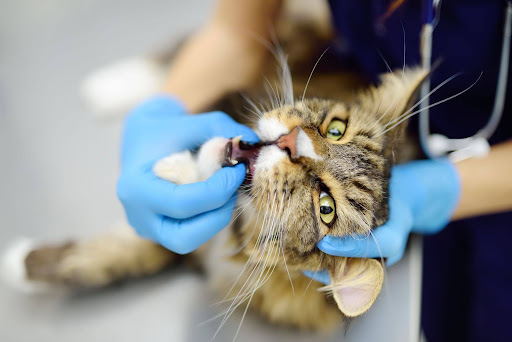
Dental health plays an important role in your pet’s overall comfort and well-being. Yet, dental problems can develop gradually and may be difficult to notice until they become painful. Regular pet dental care can help identify common oral health concerns early and support healthier teeth and gums throughout your pet’s life.
Dogs and cats can develop many of the same dental problems people experience, including plaque buildup, gum disease, broken teeth, and oral infections. Knowing the warning signs can help you recognize when your pet may need professional attention.
Why Pet Dental Care Matters
A pet’s mouth can accumulate plaque and bacteria every day. When plaque is not removed, it can harden into tartar along the teeth and irritate the surrounding gums. Over time, this may contribute to periodontal disease and other oral health problems.
Good pet dental care includes regular at-home brushing, appropriate dental products, professional dental evaluations, and treatment when needed. Routine oral examinations also allow a veterinarian to look for problems that may not be obvious from the outside.
Common Dental Diseases in Dogs and Cats
1. Periodontal Disease
Periodontal disease is one of the most common dental conditions affecting pets. It begins when plaque accumulates around the teeth and causes inflammation of the gums.
Early signs may include red or swollen gums, bad breath, and visible tartar. As the condition progresses, pets may develop gum recession, loose teeth, discomfort while eating, or tooth loss.
Regular professional cleanings and consistent home care can help reduce plaque and support healthy gums.
2. Gingivitis
Gingivitis refers to inflammation of the gums. It is often associated with plaque buildup around the gumline.
You may notice that your pet’s gums appear red, swollen, or irritated. Some pets may also have mild bleeding around their gums. When addressed early, gingivitis can often be managed before it progresses into more advanced periodontal disease.
3. Broken or Fractured Teeth
Pets may fracture teeth from chewing hard objects, playing with toys, or experiencing trauma to the mouth. A fractured tooth can expose sensitive internal structures and cause significant discomfort.
Some pets may avoid chewing on one side of their mouth, drop food while eating, or become reluctant to eat hard foods. However, pets do not always show obvious signs of dental pain, making routine oral examinations especially important.
4. Tooth Root Infections
A damaged or fractured tooth can allow bacteria to reach the inner part of the tooth, potentially resulting in infection. Signs may include facial swelling, bad breath, difficulty eating, or sensitivity around the mouth.
Professional dental evaluation is important when a tooth appears damaged or your pet shows changes in eating behavior.
5. Retained Baby Teeth
Puppies and kittens normally lose their baby teeth as their adult teeth develop. Sometimes, however, a baby tooth remains in place after the adult tooth has emerged.
Retained teeth can crowd the mouth and create areas where food and bacteria become trapped. Your veterinarian can evaluate your pet’s teeth during routine examinations and recommend appropriate treatment when necessary.
6. Oral Growths
Abnormal growths or masses can occasionally develop in a pet’s mouth. Not every oral growth is cancerous, but any unusual lump, swelling, discoloration, or tissue change should be evaluated by a veterinarian.
Early evaluation can help determine what is causing the change and whether further testing or treatment is appropriate.
Signs Your Pet May Have Dental Disease
Pets often hide signs of discomfort, so subtle changes can be easy to overlook. Watch for:
- Persistent bad breath
- Red, swollen, or bleeding gums
- Yellow or brown tartar on the teeth
- Difficulty chewing
- Dropping food while eating
- Reduced interest in food
- Excessive drooling
- Pawing at the mouth
- Loose or missing teeth
- Facial swelling
- Changes in chewing habits
- Reluctance to have the mouth touched
A single symptom does not necessarily mean your pet has a serious dental condition. However, noticeable changes should not be ignored.
How to Support Better Pet Dental Health at Home
Home dental care can be an important part of maintaining your pet’s oral health. If your pet allows it, gently brushing the teeth with a pet-specific toothbrush and toothpaste can help control plaque.
Never use human toothpaste for pets unless specifically directed by a veterinarian. Pet-safe dental products may also include specially designed treats, diets, wipes, and other oral-care tools.
Introduce dental care gradually, especially if your pet is unfamiliar with having their mouth handled. Start with short, positive sessions and reward calm behavior.
Professional dental evaluations are also important because brushing alone cannot address existing tartar, damaged teeth, or problems below the gumline.
When Should Your Pet Receive a Dental Examination?
Your veterinarian can recommend a dental care schedule based on your pet’s age, breed, size, health history, and individual risk factors. Pets with existing dental problems may require more frequent evaluations.
During a professional dental assessment, your veterinarian can examine the teeth and gums for signs of disease and determine whether additional dental treatment is needed. Professional dental procedures may include cleaning and polishing, dental X-rays, or treatment of affected teeth when appropriate.
If you are searching for pet dental services in Skippack, choosing a veterinary team that provides comprehensive oral health care can help keep your pet comfortable and support long-term dental wellness.
Protect Your Pet’s Smile With Professional Dental Care
Healthy teeth and gums can contribute to your pet’s comfort, eating habits, and overall quality of life. Combining daily home care with regular professional evaluations is an effective way to support lifelong oral health.
If you notice signs of dental disease or simply want to establish a preventive oral-care routine, schedule an appointment with our animal hospital. The team at Skippack Animal Hospital can help you understand your pet’s dental needs and recommend appropriate pet dental care based on their individual health.
Frequently Asked Questions
1. What is the most common dental disease in pets?
Ans: Periodontal disease is among the most common dental conditions in dogs and cats. It develops from plaque and tartar buildup and can progressively affect the gums and supporting structures around the teeth.
2. How can I tell if my pet has dental disease?
Ans: Bad breath, tartar, red gums, difficulty chewing, drooling, pawing at the mouth, and changes in eating habits can indicate a dental problem. Some pets may show very few outward signs, so routine examinations are valuable.
3. Can I brush my pet’s teeth at home?
Ans: Yes. Regular brushing with pet-safe toothpaste can help reduce plaque buildup. Introduce brushing gradually and use products specifically designed for dogs or cats.
4. Why does my pet have bad breath?
Ans: Persistent bad breath is often associated with plaque, tartar, gum disease, or another oral health problem. It should not simply be considered a normal part of aging.
5. Does my pet need professional dental care if I brush their teeth?
Ans: Yes. Home brushing helps control plaque, but professional dental evaluations allow a veterinarian to identify problems that may develop below the gumline or affect individual teeth.
6. When should I contact a veterinarian about my pet’s teeth?
Ans: Schedule a veterinary examination if you notice persistent bad breath, swollen or bleeding gums, damaged teeth, difficulty eating, facial swelling, excessive drooling, or other changes involving your pet’s mouth.