WagMore Next Door

A sudden cough from your pet can be worrying, especially when it sounds unusual or happens repeatedly. While some coughs may be minor, others can point toward deeper health concerns. Understanding when a cough needs attention can help protect your pet’s well-being.
At Skippack Animal Hospital, we focus on identifying the cause behind your pet’s symptoms. Our veterinary team uses careful examinations and advanced diagnostic approaches to understand health concerns and provide appropriate care.
If you live in Skippack or nearby communities, this guide can help you understand why your pet may cough and when professional evaluation becomes important. Continue reading to learn how coughing is assessed and how veterinary diagnostic testing supports better treatment decisions.
Why Do Pets Cough?
Coughing is the body’s natural way of clearing irritation from the airways. It helps remove unwanted materials from the throat and lungs. However, repeated coughing may indicate an underlying problem.
Pets can cough for many different reasons. Some causes are temporary, while others require medical attention.
Common reasons pets cough include:
- Irritation from dust, smoke, or environmental allergens
- Respiratory infections
- Heart-related conditions
- Airway inflammation
- Foreign objects stuck in the throat
- Parasites affecting the respiratory system
- Chronic lung conditions
A single cough after drinking water or playing may not be concerning. However, frequent coughing should always be monitored carefully.
How Can You Tell If Your Pet’s Cough Is Serious?
Many pet owners wonder when a cough becomes a reason to visit the veterinarian. The answer depends on the frequency, duration, and other symptoms involved.
A cough deserves closer attention when it:
- Continues for several days
- Becomes more frequent over time
- Happens during rest or sleep
- Is accompanied by breathing changes
- Causes tiredness or reduced activity
- Comes with appetite changes
Your pet cannot explain discomfort in words. Therefore, observing small changes is important.
Early evaluation can help identify problems before they become more difficult to manage.
What Health Conditions Can Cause Coughing in Pets?
Respiratory Infections
Respiratory infections are common causes of coughing in dogs and cats. These infections may affect the nose, throat, airways, or lungs.
Pets may also experience:
- Sneezing
- Nasal discharge
- Low energy
- Reduced appetite
- Fever
A veterinarian can determine whether the cough is linked to infection or another concern.
Heart Conditions
Heart-related issues may sometimes cause coughing, especially in older pets. When the heart cannot function properly, fluid changes may affect the lungs.
Signs that may appear with heart-related coughing include:
- Difficulty breathing
- Reduced stamina
- Increased resting
- Weakness
- Fainting episodes
A veterinary evaluation can help identify whether the heart may be involved.
Airway and Lung Problems
Some pets develop chronic airway inflammation or lung conditions. These issues may cause ongoing coughing that does not resolve naturally.
Cats and dogs with airway problems may show:
- Frequent coughing episodes
- Wheezing sounds
- Faster breathing
- Difficulty exercising
Finding the cause is essential because treatment depends on the underlying condition.
When Should Diagnostic Testing Be Considered for a Pet’s Cough?
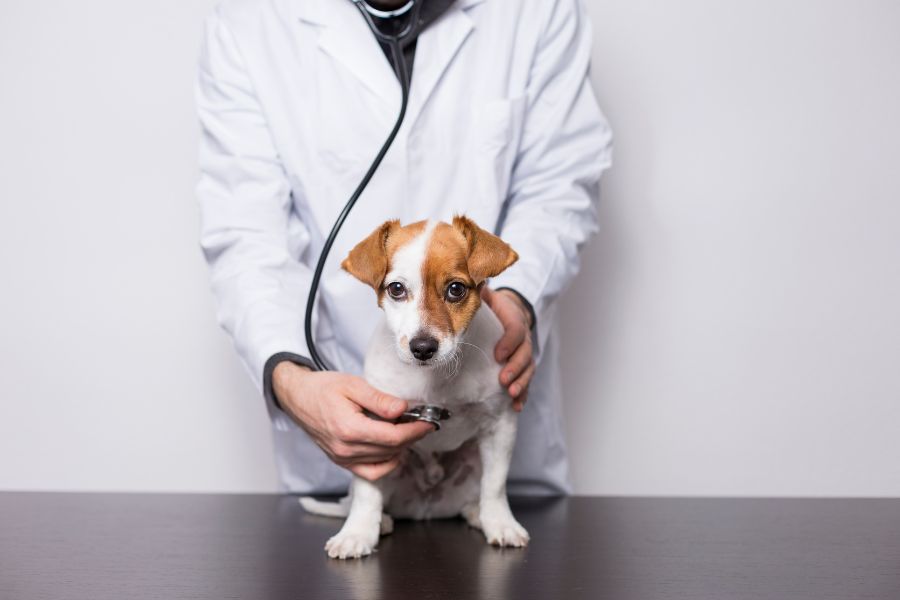
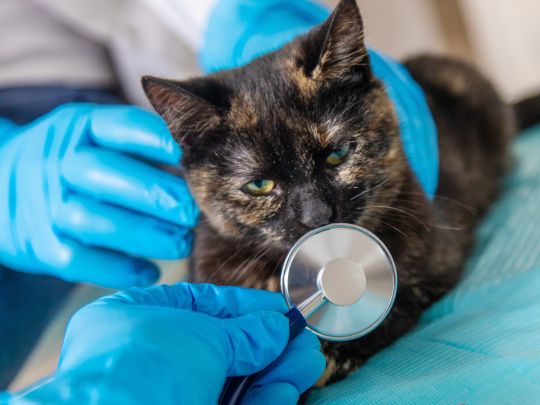
A physical examination is often the first step when a pet develops coughing. Your veterinarian listens to the lungs and evaluates overall health. However, some conditions require additional investigation.
Veterinarians may recommend evaluation when:
- The cough lasts longer than expected
- Symptoms keep returning
- Initial treatments do not help
- Breathing patterns change
- A serious condition is suspected
Veterinary diagnostic testing helps veterinarians gather detailed information about your pet’s condition. These evaluations may include imaging, laboratory testing, or other assessments based on your pet’s symptoms.
What Diagnostic Tests May Help Identify the Cause?
The right test depends on your pet’s age, symptoms, and health history. Your veterinarian will choose options that provide useful information.
Physical Examination
A complete examination helps assess:
- Breathing patterns
- Heart sounds
- Lung sounds
- Temperature
- Overall condition
This information guides further recommendations.
Blood Testing
Blood tests can provide insight into your pet’s overall health. They may help identify signs of infection, inflammation, or other internal concerns. These results can support a more complete diagnosis.
Imaging Services
Imaging can help veterinarians view areas that cannot be examined externally.
Common imaging options may include:
- Chest X-rays
- Other advanced imaging methods
These tools can help evaluate the lungs, airways, and surrounding structures.
Additional Evaluations
Some cases may require more detailed assessments. Your veterinarian may recommend additional procedures based on the findings.
This approach helps create a clearer picture of your pet’s health.
Why Early Evaluation Matters for Your Pet’s Health
Many pet owners wait to see if coughing improves naturally. While this may be reasonable for mild cases, delaying care can sometimes allow health issues to progress.
Early evaluation provides several benefits:
- Identifies possible causes sooner
- Helps guide suitable treatment
- Reduces uncertainty for pet owners
- Supports better long-term health planning
When your pet is part of your family, understanding what causes their symptoms can bring valuable peace of mind.
How Our Veterinarians Approach Coughing Concerns
Professionals at our veterinary practice consider many factors before recommending care. They review your pet’s symptoms, medical history, lifestyle, and examination findings.
Important questions may include:
- When did the coughing begin?
- Does it happen after activity or during rest?
- Is the cough dry or producing mucus?
- Has your pet’s behavior changed?
- Are other symptoms present?
These details help create a complete health picture.
At our veterinary practice, diagnostic evaluations are designed to understand each pet’s unique needs. A thorough approach helps support accurate decisions for your companion’s care.
How Can Pet Owners Prepare for a Veterinary Visit?
Preparing information before your appointment can help your veterinarian understand the problem.
Consider noting:
- How often your pet coughs
- What triggers the coughing
- Changes in eating or activity
- Any recent environmental changes
- Videos of coughing episodes
A recorded video can be especially helpful because coughing may not happen during the visit.
Helping Your Pet Breathe Easier With Timely Care
A cough may seem small, but it can sometimes reveal important health concerns. Paying attention to changes and seeking guidance early can help protect your pet’s comfort and wellness.
With advanced evaluations and compassionate care, Skippack Animal Hospital helps pet owners understand their companions’ health needs. Our team uses thorough assessments and diagnostic tools to support accurate care decisions.
If you are in Skippack or nearby areas and notice changes in your pet’s coughing or breathing, book an appointment with our veterinary team. Our compassionate veterinary care can help provide the support your pet needs for a healthier future.
Frequently Asked Questions
1. How does Skippack Animal Hospital evaluate a pet’s cough?
Ans: Skippack Animal Hospital begins with a detailed examination to understand the cause of your pet’s cough. Our veterinary team reviews symptoms, health history, and may recommend diagnostic evaluations when needed to create an appropriate care plan.
2. When should I visit Skippack Animal Hospital for my pet’s coughing?
Ans: You should contact Skippack Animal Hospital if your pet’s cough continues, becomes more frequent, or appears with breathing changes, tiredness, or appetite concerns. Early evaluation can help identify possible health issues.
3. Does Skippack Animal Hospital provide diagnostic care for coughing pets?
Ans: Yes, Skippack Animal Hospital provides diagnostic care to help identify the reasons behind symptoms like persistent coughing. Our team uses appropriate evaluations to understand your pet’s condition and support better treatment decisions.
4. Can a dog’s cough go away on its own?
Ans: Some mild coughs may improve without treatment, especially when caused by temporary irritation. However, ongoing or recurring coughing should be checked by a veterinarian.
5. What are signs that my pet’s cough needs veterinary attention?
Ans: A cough may require veterinary attention if it lasts several days, affects breathing, occurs during rest, or appears with changes in energy, appetite, or behavior.
6. What tests are used to find the cause of a pet’s cough?
Ans: Veterinarians may use physical examinations, blood tests, chest X-rays, and other evaluations to understand what may be causing coughing symptoms.
7. Can coughing be a sign of a serious health problem in pets?
Ans: Yes, coughing can sometimes be linked to conditions involving the heart, lungs, or airways. A veterinary evaluation can help identify the underlying cause.