WagMore Next Door

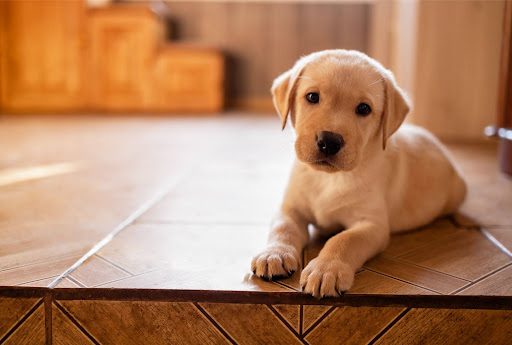
Bringing home a puppy is exciting, but training can quickly become challenging without a consistent plan. Good puppy care in Skippack involves more than feeding, grooming, and routine checkups. Early training helps puppies understand household expectations, build confidence, and develop positive habits. The key is to start with simple commands, use positive reinforcement, and practice regularly. Whether you are teaching your puppy where to potty or helping them learn basic manners, patience makes a major difference. A structured approach can make training easier for both you and your new companion.
Start Puppy Training With a Consistent Routine
Puppies learn best when their days follow a predictable routine. Establish regular times for meals, potty breaks, play, training, and rest. A consistent schedule helps your puppy understand what to expect throughout the day.
Take your puppy outside for potty breaks after waking, eating, drinking, playing, and sleeping. When your puppy is eliminated in the appropriate place, offer immediate praise and a small reward. Avoid harsh corrections when accidents happen. Instead, clean the area thoroughly and continue reinforcing the desired behavior.
Consistency among everyone in the household is equally important. If one person allows your puppy on the couch while another discourages it, your puppy may become confused. Decide on household rules early and make sure everyone follows them.
Teach Basic Commands One at a Time
Basic commands give your puppy a foundation for good behavior. Start with simple cues such as “sit,” “stay,” “come,” “down,” and “leave it.” Training sessions should be short because young puppies have limited attention spans.
Use Positive Reinforcement
Reward-based training encourages puppies to repeat behaviors that earn something they enjoy. Depending on your puppy, rewards can include small treats, praise, toys, or affection.
For example, hold a treat near your puppy’s nose and slowly move it upward. As your puppy naturally sits, say “sit,” then provide the reward and praise. Repeat this several times, but stop before your puppy becomes distracted or tired.
Keep training sessions around five to ten minutes at first. Several short sessions throughout the day are generally more effective than one long session.
Focus on Potty Training Early
Potty training is one of the first major challenges for new puppy owners. Puppies have small bladders and may need frequent opportunities to go outside. Expecting a young puppy to wait too long can lead to accidents.
Watch for signs that your puppy needs a potty break. Sniffing the floor, circling, whining, or suddenly walking away from play can indicate that it is time to go outside.
Choose a consistent potty location and use the same door whenever practical. Praise your puppy immediately after they finish. Over time, your puppy will begin connecting the location and routine with the desired behavior.
If accidents occur, avoid punishment. Puppies do not always understand why they are being corrected after the fact. Calm, consistent guidance is more effective for long-term puppy care.
Help Your Puppy Learn Good Social Skills
Social learning is an important part of raising a confident, well-mannered dog. Introduce your puppy gradually to different people, safe environments, household sounds, surfaces, and everyday experiences.
Keep new experiences positive and allow your puppy to approach unfamiliar situations at their own pace. If your puppy appears frightened, give them space rather than forcing interaction.
Handling practice can also make future grooming and veterinary visits easier. Gently touch your puppy’s paws, ears, mouth, and body while offering praise. These brief exercises can help your puppy become more comfortable with routine handling.
A veterinary hospital in Skippack can also provide guidance on age-appropriate wellness, nutrition, behavior, and preventive care as your puppy grows.
Prevent Common Puppy Behavior Problems
Puppies naturally explore their surroundings with their mouths. Chewing, jumping, barking, and playful nipping are common behaviors, but they should be redirected toward appropriate activities.
Provide safe chew toys and encourage your puppy to use them. If your puppy begins chewing furniture or another inappropriate item, calmly redirect them to a suitable toy.
For jumping, avoid rewarding the behavior with attention. Wait until all four paws are on the floor, then provide praise. Everyone in the household should respond consistently so your puppy understands which behavior earns attention.
Crate training can also help puppies develop a comfortable resting routine. The crate should be a positive, secure space rather than a place for punishment. Introduce it gradually and allow your puppy time to become comfortable.
Keep Training Sessions Positive and Patient
Fast puppy training does not mean rushing your puppy. Every dog learns at a different pace, and some skills take weeks or months to become reliable.
Use simple commands, clear expectations, frequent rewards, and plenty of repetition. End training sessions on a positive note whenever possible. If your puppy becomes frustrated or distracted, take a break and try again later.
Remember that sleep is also an important part of puppy development. Young puppies need substantial rest between periods of activity and training. Balancing mental stimulation, exercise, training, and downtime can help prevent overtired behavior.
If you are unsure whether a behavior is typical for your puppy’s age, professional guidance can be helpful. An animal hospital near you can offer personalized advice based on your puppy’s development, lifestyle, and individual needs.
Build a Strong Foundation for Lifelong Good Behavior
Training your puppy takes consistency, patience, and positive reinforcement. Establishing a routine, teaching basic commands, supporting appropriate social experiences, and redirecting unwanted behaviors can help your puppy become a confident and well-mannered companion. Regular guidance also plays an important role in comprehensive puppy care in Skippack.
If you have questions about your puppy’s behavior, development, nutrition, or general care, schedule an appointment with our animal hospital. The team at Skippack Animal Hospital can help you build a practical care and training approach that supports your puppy as they grow.
FAQs
1. What is the best age to start training a puppy?
Ans: Training can begin as soon as your puppy comes home. Start with simple behaviors such as responding to their name, sitting, coming when called, and appropriate potty habits.
2. How long should puppy training sessions last?
Ans: Keep early sessions short, usually around five to ten minutes. You can repeat these sessions several times throughout the day as your puppy remains interested and engaged.
3. How can I stop my puppy from biting?
Ans: Redirect playful biting toward an appropriate chew toy. Avoid encouraging rough play with hands and provide praise when your puppy interacts appropriately with toys.
4. How long does potty training take?
Ans: The timeline varies by puppy. Age, consistency, routine, previous experiences, and individual development can all affect progress. Frequent potty breaks and immediate praise can make the process easier.
5. Should I punish my puppy for accidents?
Ans: No. Punishment can create fear and confusion without teaching your puppy the behavior you want. Clean accidents thoroughly and focus on preventing future mistakes through consistent potty breaks.
6. When should I seek professional puppy-care guidance?
Ans: Consider professional guidance if you are struggling with persistent behavior concerns, potty training, handling, nutrition, or other aspects of your puppy’s development. A veterinary team can help create a plan suited to your puppy.