WagMore Next Door

Good dental health plays an important role in your pet’s comfort, nutrition, and overall well-being. Yet, dental problems can develop gradually and may not always be obvious at first. Dogs and cats often continue eating and behaving normally even when plaque, tartar, gum inflammation, or other oral problems are developing.
Recognizing early warning signs can help you address dental concerns before they become more serious. Professional dental cleaning is an important part of maintaining your pet’s oral health because brushing at home cannot remove hardened tartar from every area of the mouth.
Understanding when your pet may need professional attention can make it easier to protect their teeth and gums. Regular pet dental care can also help support fresher breath, healthier gums, and a more comfortable mouth.
Why Pet Dental Care Matters
Dental disease is common among pets, particularly as they get older. Plaque is a sticky film of bacteria that naturally forms on the teeth. Without adequate cleaning, plaque can combine with minerals in saliva and harden into tartar.
Once tartar develops, regular brushing may not be enough to remove it effectively. Bacteria can accumulate around the gumline, potentially causing inflammation and discomfort. Over time, untreated dental disease may affect the structures supporting the teeth.
Routine pet dental care helps identify oral problems and maintain healthier teeth and gums. Depending on your pet’s individual needs, a veterinarian may recommend professional dental cleaning when plaque and tartar have accumulated or when signs of dental disease are present.
1. Persistent Bad Breath
Bad breath is one of the most noticeable signs that your pet may have an oral health problem. While pet breath does not always smell pleasant, persistent or unusually strong odor should not simply be considered normal.
A buildup of bacteria, plaque, and tartar can contribute to unpleasant breath. In some cases, bad breath may also be associated with gum inflammation, dental infection, or another underlying health concern.
If your pet’s breath has become noticeably worse or remains unpleasant despite regular home care, a professional dental evaluation may be appropriate.
During an examination, a veterinarian can look for visible signs of dental disease and determine whether professional cleaning may benefit your pet. Addressing the source of the odor can help improve oral hygiene and may make your pet more comfortable.
2. Visible Tartar or Discolored Teeth
Another common warning sign is visible tartar on the teeth. Healthy teeth generally have a relatively clean appearance, while accumulated tartar may appear yellow, brown, or dark along the gumline.
Tartar can build up in areas that are difficult to reach with routine brushing. Once it becomes hardened, brushing alone generally cannot remove it completely.
If you notice substantial tartar on your pet’s teeth, professional cleaning may be necessary. A veterinary dental procedure allows the veterinary team to thoroughly clean areas that cannot be adequately addressed through everyday home brushing.
Regular dental examinations are particularly useful because your veterinarian can assess the condition of the teeth and gums rather than relying only on what can be seen at home.
3. Red, Swollen, or Bleeding Gums
Healthy gums should generally appear firm and pink. Redness, swelling, tenderness, or bleeding around the gumline can indicate inflammation and should not be ignored.
Gum inflammation may develop when plaque and tartar accumulate near the teeth. As bacteria remain around the gumline, the tissues can become irritated.
You may notice bleeding when your pet chews on a toy or eats certain foods. Some pets may also have visibly swollen areas around individual teeth.
If you notice these changes, a veterinary examination can help determine what is causing the irritation. Professional pet dental services in Skippack can provide appropriate evaluation and dental care based on your pet’s oral health needs.
Early attention may help prevent dental problems from progressing and can support healthier gums over time.
4. Difficulty Chewing or Changes in Eating Habits
Pets can sometimes hide signs of oral discomfort. One of the clues may be a change in the way they eat.
A pet experiencing dental discomfort may chew more slowly, drop food from the mouth, favor one side while chewing, or avoid harder foods. Some pets may also hesitate before eating or show less interest in food.
These behaviors should be taken seriously, particularly when they occur alongside bad breath, visible tartar, or gum changes.
Dental discomfort can have several possible causes, including inflamed gums, damaged teeth, or other oral conditions. A veterinary examination can help determine whether a dental problem is contributing to the change.
Do not assume that eating normally means your pet has no dental discomfort. Some animals adapt their eating behavior and continue consuming food despite oral problems.
5. Pawing at the Mouth or Rubbing the Face
Another possible indication of dental discomfort is repeated pawing at the mouth or rubbing the face against furniture, flooring, or other objects.
Your pet may do this because something inside the mouth feels painful, irritated, or uncomfortable. You may also notice increased drooling, reluctance to have the face touched, or changes in normal behavior.
These signs do not automatically mean your pet needs a dental cleaning. However, they do indicate that an oral examination may be worthwhile.
A veterinarian can examine the mouth and determine whether tartar, gum disease, a damaged tooth, or another issue could be responsible. Identifying the cause is important because different dental conditions may require different treatments.
What Happens During Professional Pet Dental Cleaning?
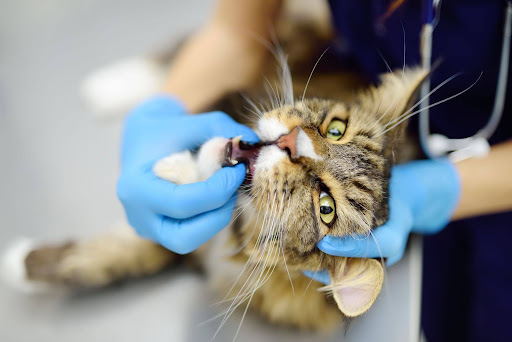
Professional dental cleaning is more comprehensive than routine brushing at home. Your veterinarian first evaluates your pet’s oral health and determines the appropriate approach based on their individual condition.
A professional cleaning can help remove plaque and hardened tartar from the teeth and areas around the gumline. The veterinary team can also examine the mouth for abnormalities that may not be easy for pet owners to see.
Depending on the findings, additional dental treatment may be recommended. Your veterinarian will discuss the condition of your pet’s teeth and explain any recommended next steps.
Professional cleaning should complement, rather than replace, regular home dental care. Brushing your pet’s teeth with products specifically designed for pets can help reduce daily plaque accumulation between professional dental visits.
How Often Should Pets Receive Dental Care?
There is no single schedule that works for every pet. Dental needs can vary based on age, breed, diet, oral anatomy, previous dental problems, and home-care routine.
Some pets develop tartar more quickly than others and may require professional dental attention more frequently. Your veterinarian can recommend an appropriate dental-care schedule after evaluating your pet.
Regular oral examinations are useful even when your pet does not show obvious warning signs. Early dental problems can be easier to address before they cause significant discomfort or affect the supporting structures around the teeth.
Consistent home care also plays an important role. Pet owners can ask their veterinary team about appropriate toothbrushes, toothpaste, dental treats, and other products designed for their pet.
Supporting Better Pet Dental Care at Home
Professional cleaning is only one part of maintaining good oral health. Between veterinary visits, pet owners can take several steps to support daily dental hygiene.
Brushing is one of the most effective ways to help control plaque. Start gradually if your pet is unfamiliar with having their mouth handled. Use toothpaste formulated specifically for pets, since human toothpaste may contain ingredients that are not appropriate for animals.
Regularly checking your pet’s mouth can also help you notice changes early. Look for unusual discoloration, tartar buildup, gum redness, swelling, bleeding, or changes in chewing behavior.
It is also helpful to pay attention to changes in breath and eating habits. Small changes may provide valuable clues about developing oral problems.
Most importantly, home care should not replace veterinary examinations. A professional can evaluate areas that may be difficult to see and recommend appropriate dental treatment when needed.
When to Seek Professional Dental Care
If you notice persistent bad breath, heavy tartar, abnormal gum color, bleeding, difficulty chewing, excessive drooling, or repeated pawing at the mouth, consider arranging a veterinary dental evaluation.
Even if your pet does not have obvious symptoms, routine dental examinations can help monitor oral health and identify changes early.
Pet owners searching for pet dental services in Skippack can work with a veterinary team that understands the importance of preventive oral care. Choosing a veterinary hospital near you can also make it easier to maintain regular examinations and follow through with recommended dental care.
The goal is not simply to improve your pet’s breath. Good dental care can contribute to a healthier, more comfortable daily life.
Conclusion
Your pet may not be able to tell you when their teeth or gums hurt, but changes in breath, eating habits, gum appearance, and behavior can provide important clues. Persistent bad breath, visible tartar, inflamed gums, difficulty chewing, and pawing at the mouth are five signs that professional dental evaluation may be appropriate.
Consistent pet dental care combines veterinary examinations, professional cleaning when recommended, and appropriate home care. If you notice changes in your pet’s mouth or behavior, schedule for an appointment so a veterinary professional can evaluate the problem and recommend suitable care.
For pet owners looking for dependable pet dental services in Skippack, Skippack Animal Hospital provides veterinary support focused on helping pets maintain healthier mouths and better overall well-being.
Frequently Asked Questions
1. How can I tell if my pet needs professional dental cleaning?
Ans: Persistent bad breath, visible tartar, red or swollen gums, difficulty chewing, and pawing at the mouth can indicate that your pet may benefit from a professional dental evaluation.
2. Can brushing my pet’s teeth replace professional dental cleaning?
Ans: Regular brushing can help control plaque but may not remove hardened tartar. Professional cleaning may be necessary when tartar has accumulated or dental disease is present.
3. Is bad breath normal in dogs and cats?
Ans: Mild pet breath may be common, but persistent or unusually strong bad breath can indicate an oral health problem. It is worth discussing with your veterinarian.
4. What are signs of dental discomfort in pets?
Ans: Possible signs include changes in chewing, dropping food, reduced interest in eating, excessive drooling, pawing at the mouth, facial rubbing, and reluctance to have the face touched.
5. How often should my pet have a dental examination?
Ans: The appropriate frequency depends on your pet’s age, oral health, breed, and individual risk factors. Your veterinarian can recommend a schedule based on your pet’s needs.
6. Can professional dental care improve my pet’s overall comfort?
Ans: Addressing plaque, tartar, gum inflammation, and other dental problems can help support a healthier and more comfortable mouth. Regular veterinary dental care is an important part of comprehensive pet wellness.